 Atin Ito | Ontario’s First Filipino Community Newspaper – Trusted News and Stories for the Filipino-Canadian Community Atin Ito is Ontario’s first Filipino community newspaper, delivering trusted news, stories, and updates for Filipino-Canadians. Stay connected with your community.

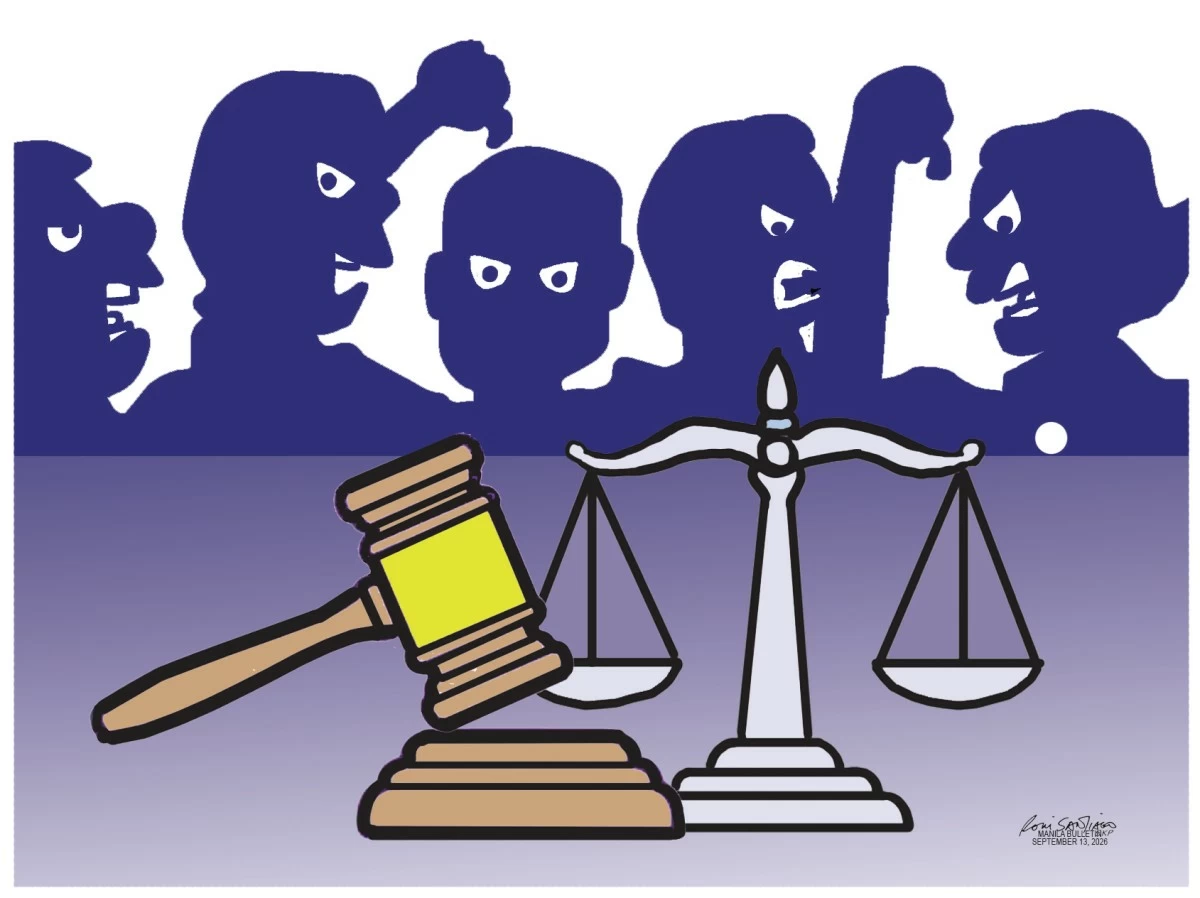 The Supreme Court’s acquittal of former First Lady Imelda Marcos on seven counts of graft has predictably stirred strong reactions.
It should. A ruling involving a politically consequential figure, a decades-old corruption case, and the highest court in the land deserves scrutiny.
But scrutiny is different from speculation.
People may disagree with that reasoning. They may question the interpretation of the evidence, the application of the law, or the timing of the decision. They may even argue that the Court got it wrong.
But if the criticism goes further—if it alleges political influence, favoritism, improper intervention, or a connection between the ruling and the President’s eventual choice of the next chief justice—then the burden changes. Such claims require evidence more than pure suspicion.
If every unpopular ruling is automatically treated as proof of corruption or political manipulation, the authority of the courts becomes hostage to political narratives.
The Palace is therefore right when it said that allegations that the acquittal was somehow connected to President Marcos’ selection of the next chief justice should not be treated as fact without credible evidence. The mere possibility that three justices involved in the decision could be considered for the chief justice position does not establish that the ruling was influenced by such considerations.
The Supreme Court is not infallible. Its justices are human. Its decisions can be questioned, challenged, and debated. Indeed, a healthy democracy requires citizens, lawyers, academics, journalists, and lawmakers to examine judicial decisions closely.
If critics believe the Court misread the evidence, identify the evidence. If they believe the law was wrongly interpreted, explain precisely where and why. If they suspect improper influence, establish the connection with facts that can withstand independent verification.
This is especially important in a country where public confidence in institutions is already fragile. Undermining the judiciary without proof can do lasting damage. Once citizens begin believing that court decisions are determined not by law but by political alliances, personal interests, or family connections, respect for the justice system can rapidly erode.
The Philippines needs a judiciary strong enough to withstand political pressure and public anger—and a public discourse mature enough to distinguish legitimate criticism from unsupported claims.
But we should demand evidence from those who question the courts.
*****
Credit belongs to: www.mb.com.ph


