 Atin Ito | Ontario’s First Filipino Community Newspaper – Trusted News and Stories for the Filipino-Canadian Community Atin Ito is Ontario’s first Filipino community newspaper, delivering trusted news, stories, and updates for Filipino-Canadians. Stay connected with your community.

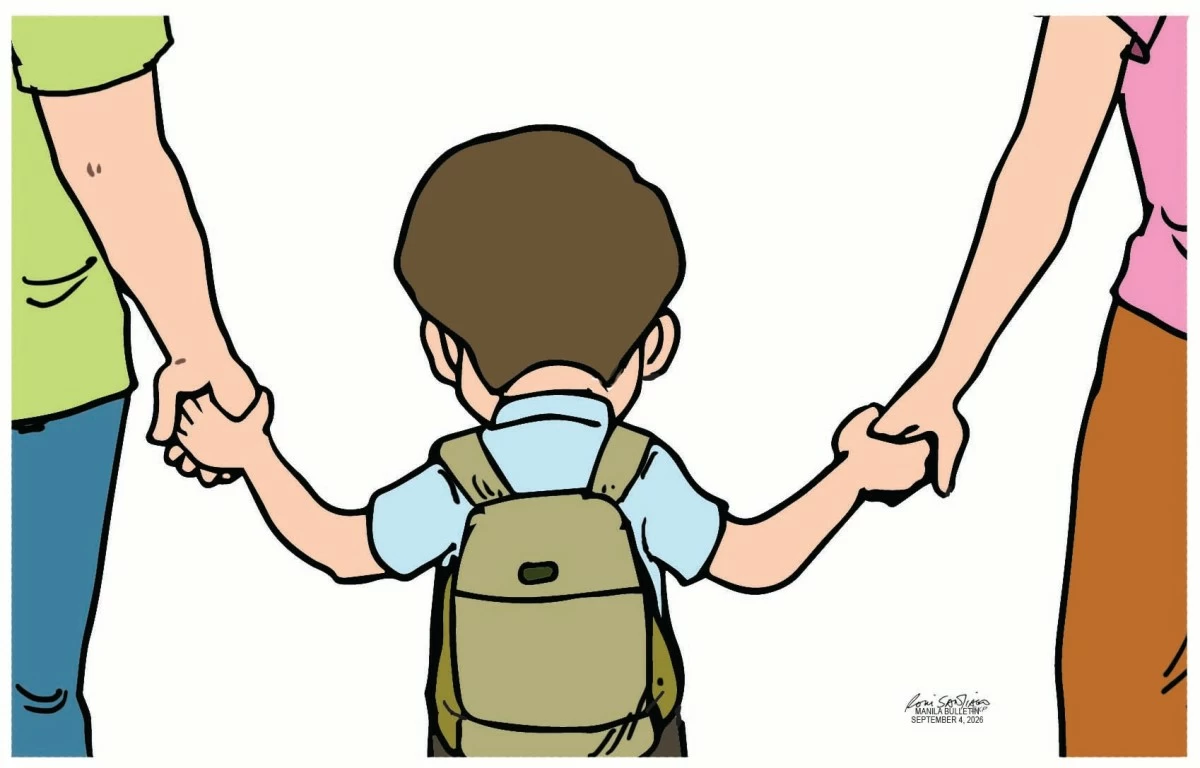 The Department of Education (DepEd) deserves credit for finally drawing a harder line against bullying, violence, and threats in schools. DepEd Order No. 006, s. 2026, gives school authorities a clearer framework for dealing with misconduct, including tougher sanctions for serious and high-risk offenses and closer coordination with law enforcement, social welfare agencies, local governments and communities.
Education Secretary Sonny Angara is right on one fundamental point: compassion for erring learners must never come at the expense of the safety of everyone else.
The policy is particularly timely following the deadly school shootings in Tacloban City and Zamboanga City that claimed five student lives. Those tragedies should remind the country that campus violence is not merely a disciplinary problem. It is serving as a warning that something deeper is going wrong in how children are being raised, supervised, protected, and taught to deal with conflict.
However, DepEd cannot discipline its way out of a crisis of character alone.
Parents are a child’s first authority, first example, and often first source of values. They cannot leave character formation to schools and then complain when schools struggle to control behavior.
Most of all, parents must model the behavior they expect. A child who constantly sees adults settle disagreements through insults, threats, or intimidation may learn a lesson no classroom lecture can easily undo.
But support must go beyond occasional donations and publicity-driven programs. What schools need are sustained partnerships with measurable results.
The country should therefore welcome DepEd’s tougher rules and Congress’ push for stronger home-school-community partnerships. But implementation will determine whether these measures become meaningful safeguards or merely another set of documents on school shelves.
They will be built when parents accept their responsibilities and teachers are empowered to act.
—
If we want responsible citizens tomorrow, we must start building responsible children today.
*****
Credit belongs to: www.mb.com.ph


