The elections are more than an exercise in choosing regional leaders. They represent the fruition of decades of negotiation, sacrifice and compromise. The first regular parliamentary elections are a crucial component of the Bangsamoro peace process and complete the political track envisioned under the Bangsamoro Organic Law and the Comprehensive Agreement.
That journey deserves to be understood beyond the boundaries of Mindanao.
The Philippine experience reminds us that peace is essential to nation-building because no society can sustainably prosper amid fear, violence and distrust. Families cannot plan confidently for the future. Children cannot learn effectively. Entrepreneurs hesitate to invest. Public institutions struggle to function. Communities remain trapped in cycles of poverty and grievance.
Conversely, peace creates the space for people to build.
This is why the theme of this year’s Peace Consciousness Month —“Kapayapaan Pagtibayin, Kaunlaran Paigtingin” (Strengthen Peace, Intensify Progress) — is so appropriate. The government itself has emphasized the inseparable relationship between peace and development: when there is peace, people can build homes, open businesses, send children to school and plan for a better future.
The Bangsamoro elections will put this principle to a historic test.
A peaceful, credible and inclusive election can demonstrate that political disagreements need not be settled through violence; that competing aspirations can be reconciled through democratic institutions; and that the ballot can become more powerful than the bullet.
But elections alone will not guarantee lasting peace.
The greater challenge begins after the votes are counted. The elected Bangsamoro leadership must translate autonomy into good governance, economic opportunity, better education, improved public services and greater dignity for ordinary citizens. Political power must ultimately be measured by whether it improves the lives of the people who entrusted it with that power.
The national government, for its part, must remain a reliable partner. Peace agreements must be honored; commitments must be implemented; resources must reach their intended beneficiaries; and institutions must be strengthened. Peace cannot be allowed to become hostage to changing political interests.
The responsibility extends even further — to civil society, religious leaders, educators, business, media and communities. Peace is sustained not merely by agreements among political leaders but by a culture that values dialogue over demonization, reconciliation over revenge, and truth over disinformation.
This is why National Peace Consciousness Month matters to every Filipino, including those who live far from Mindanao. Peace advocacy is ultimately nation-building advocacy.
The 30th anniversary this year of the 1996 Final Peace Agreement with the Moro National Liberation Front reminds us that durable peace is measured in generations, not electoral cycles. The peace process is a national inheritance. No single administration owns it; each generation assumes the responsibility of carrying it forward.
The BARMM elections therefore deserve the attention and support of the entire nation.
May they demonstrate that democracy can heal old wounds, give meaningful expression to aspirations for self-determination, and open pathways toward shared prosperity.
Peace is not the destination after development. It is the foundation upon which development becomes possible.
And when peace takes root in Mindanao, the entire Philippines has a greater chance to flourish.
 Atin Ito | Ontario’s First Filipino Community Newspaper – Trusted News and Stories for the Filipino-Canadian Community Atin Ito is Ontario’s first Filipino community newspaper, delivering trusted news, stories, and updates for Filipino-Canadians. Stay connected with your community.

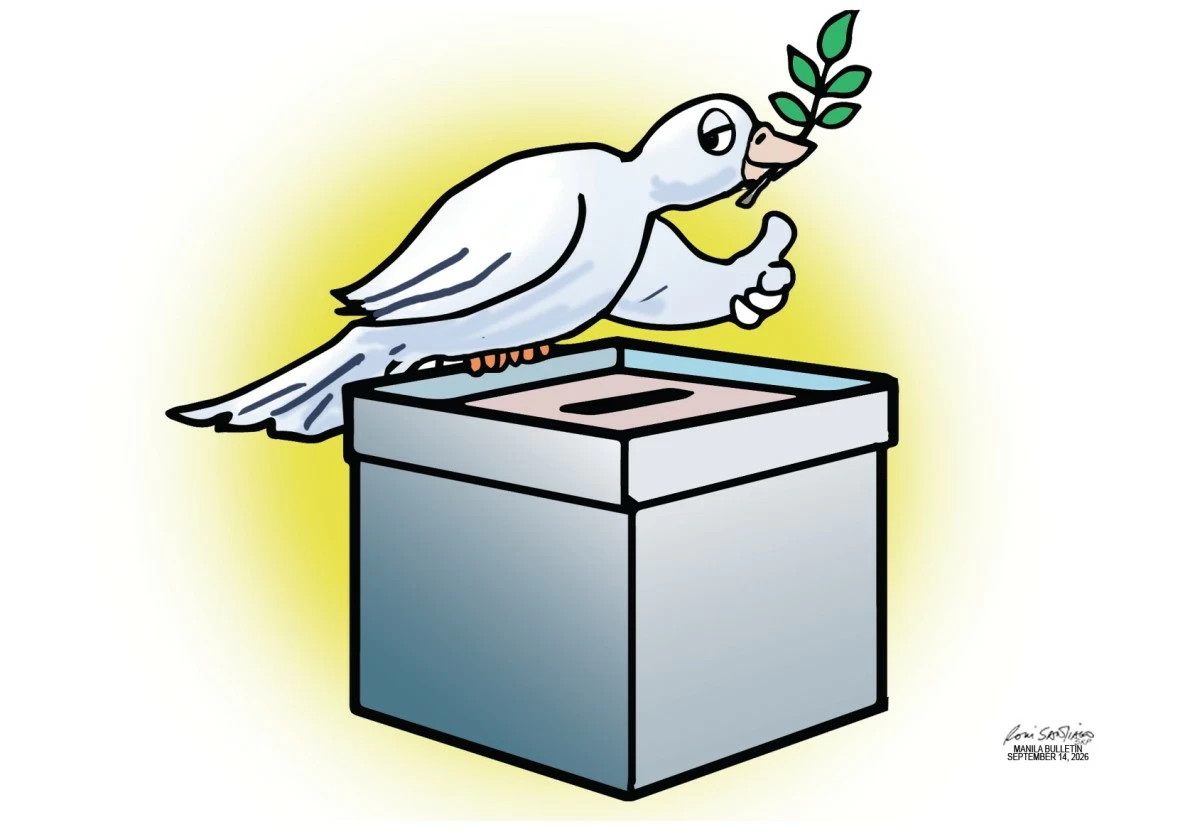 September is observed as National Peace Consciousness Month. This is a timely reminder that peace is not simply a government program or a slogan to be invoked when conflict erupts. It is a continuing national responsibility.


