But for the BSP chief, the more important test is what comes after the applause.
His recognition by Global Finance as one of the world’s better-performing central bankers is a welcome affirmation of professional judgment, monetary discipline, and institutional credibility. More importantly, it comes at precisely the moment when those qualities are being tested.
The Philippine economy is facing a difficult combination: inflation remains uncomfortably high while growth has weakened sharply. Headline inflation eased only slightly to 6.1 percent in August 2026 from 6.2 percent in July, according to the Philippine Statistics Authority (PSA), with food, housing and transport among the biggest contributors. Core inflation was still 4.1 percent.
Meanwhile, the economy grew by just 2.3 percent year-on-year in the second quarter, according to the PSA—a sobering slowdown that makes the monetary policy balancing act even harder.
Against that backdrop, the BSP has tightened again. Its target reverse repurchase rate stood at 5.50 percent, as of September 8, according to the central bank’s latest key-rate data.
This is precisely why Remolona’s independence matters.
A central bank cannot be expected to lower rates simply because businesses want cheaper credit, nor should it raise rates merely because inflation numbers are politically embarrassing. Its decisions must follow evidence, expectations, and the medium-term interests of the economy.
Remolona should therefore treat the Global Finance recognition not as the pinnacle of the job but as a mandate to further strengthen the BSP’s institutional defenses.
First, the central bank must continue improving the transparency and predictability of monetary policy. Clear communication is itself a policy instrument. Markets, businesses, and households make better decisions when they understand not only what the BSP has decided but why it decided it.
Second, the BSP should intensify stress testing and surveillance of banks and non-bank financial institutions. The next crisis may not arrive through conventional inflation. It could come through a global energy shock, capital outflows, currency volatility, geopolitical conflict, cyber disruption, climate-related food shortages, or instability in global financial markets.
Third, the Philippines needs stronger buffers before the next shock arrives. Adequate international reserves, resilient banks, efficient payment systems, sound foreign-exchange markets, and prudent macroprudential regulation are not luxuries. They are the country’s financial armor.
The government, however, must understand the boundary between support and interference.
It can help the BSP enormously without touching its independence: maintain fiscal discipline, strengthen food and energy security, remove infrastructure and logistics bottlenecks, improve agricultural productivity, diversify energy sources and ensure that fiscal policy does not unnecessarily aggravate inflation.
The government should address the supply-side problems that monetary policy cannot solve.
The private sector also has responsibilities. Businesses can invest in productivity, strengthen supply chains, manage foreign-exchange and interest-rate risks prudently, and avoid passing temporary cost pressures into permanent price increases whenever competitive conditions allow. Banks, meanwhile, must maintain rigorous credit, liquidity, cybersecurity, and risk-management standards.
The latest numbers make one lesson unmistakable: the BSP cannot choose between credibility and growth. It must preserve both.
That will require difficult decisions—and sometimes decisions that will not please politicians, markets, or borrowers.
Congratulations, Governor Remolona for the feat.
But the finest legacy of an independent central banker is not an international grade.
It is leaving behind a monetary institution strong enough to withstand pressure, flexible enough to respond to shocks, disciplined enough to protect price stability, and independent enough to put the long-term economic welfare of Filipinos above every short-term political demand.
That is an A-grade standard worth pursuing. He can make it for the sake of all Filipinos.
 Atin Ito | Ontario’s First Filipino Community Newspaper – Trusted News and Stories for the Filipino-Canadian Community Atin Ito is Ontario’s first Filipino community newspaper, delivering trusted news, stories, and updates for Filipino-Canadians. Stay connected with your community.

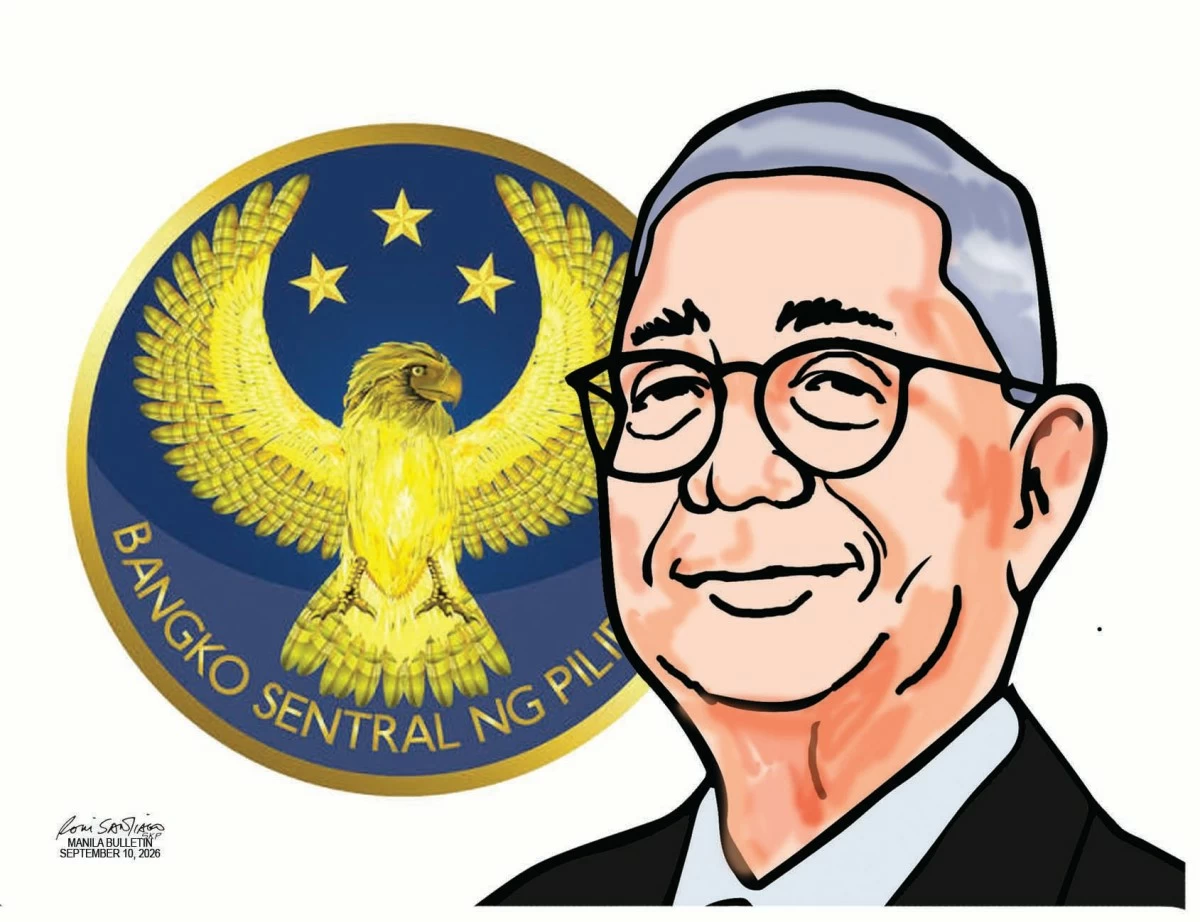 Bangko Sentral ng Pilipinas (BSP) Governor Eli M. Remolona Jr. attained an “A-” rating from the prestigious New York-based publication Global Finance.


