 Atin Ito | Ontario’s First Filipino Community Newspaper – Trusted News and Stories for the Filipino-Canadian Community Atin Ito is Ontario’s first Filipino community newspaper, delivering trusted news, stories, and updates for Filipino-Canadians. Stay connected with your community.

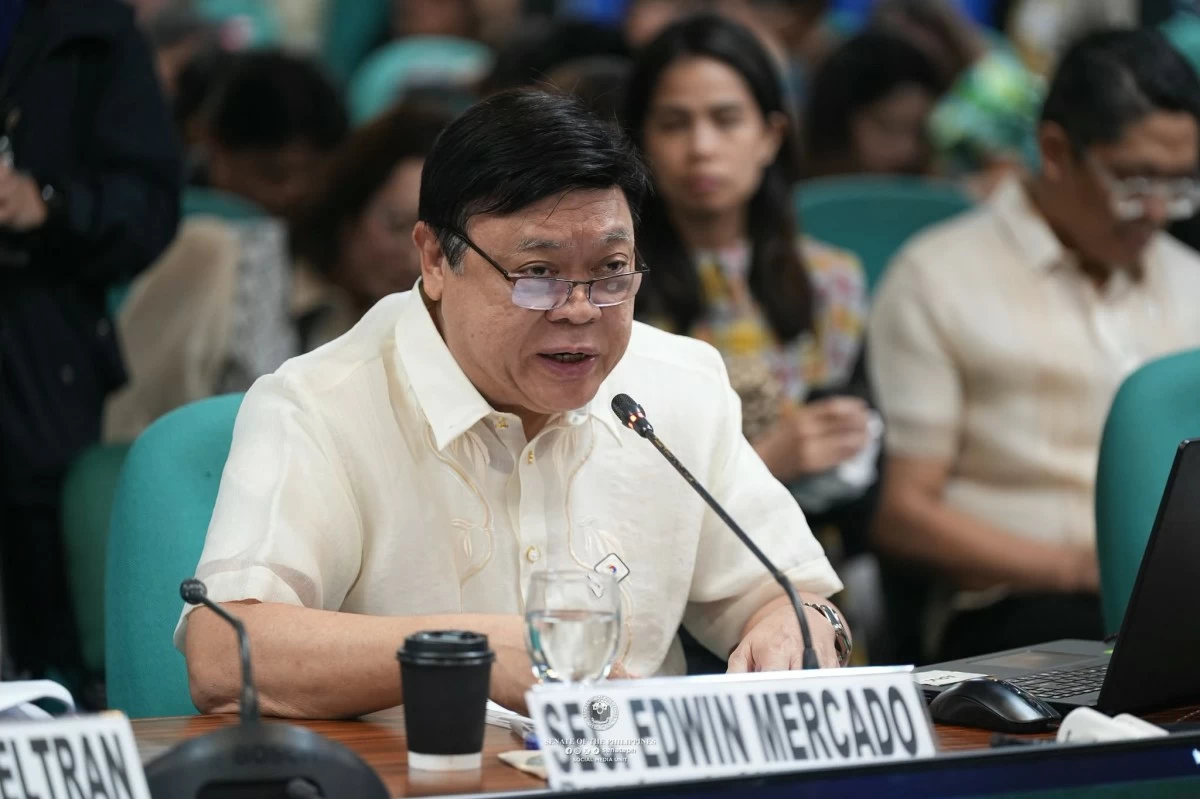
Senators grilled top officials of the Department of Health (DOH) on Friday, September 4 over its frequent changing of spending policies and why it keeps on missing universal healthcare targets.
 Sen. Panfilo “Ping” Lacson particularly questioned the usefulness of the government’s financing strategies for the Universal Health Care (UHC) program as he noted how the DOH has adopted successive financing plans for UHC in 2022 alone with varying low, medium and high spending targets.
However, these raised questions as to how progress in program implementation could be properly measured.
“One thing I noticed since the UHC rolled out in 2020, the spending plans kept changing. Where are we in the implementation of the UHC? We first aimed for medium-end, then low-end. From what I understand, we should have had high-end coverage in 2026. Where are we now?” Lacson pointed out during the Senate Finance Committee’s hearing on the DOH’s 2027 budget.
Citing the DOH’s Medium Term Expenditure Program (MTEP) from 2019 to 2022, Lacson said the UHC spending targets were P168.23-billion for low-end (status quo), P257.08-billion for medium (select priority areas covered), and P286.33-billion for high (all barangays nationwide covered).
But the targets were revised under the MTEP from 2020 to 2023, which set spending targets of P199.01-billion for the low-end and P469.39-billion for high-end.
Then for 2023 to 2028, the targets were revised again under the Health Care Financing Strategy, which set targets of P329.7-billion for low, P456.53-billion for medium, and P593.647-billion for high. Actual health spending for 2022 stood at P283.52-billion.
“If we keep missing the targets, what are our financing strategies for?” Lacson asked.
Lacson also noted that while the Philippine Health Insurance Corp. (PhilHealth) managed to bring down the out-of-pocket share for health services to 41.2 percent by end-2025 from 55% in 2016, and with a target to further bring it down to 37% by 2028, it may need more clarification against the data on health care spending from the government.
He also asked the PhilHealth if the funds earmarked for UHC from special laws such as the Sin Tax Law were actually released to the DOH for their intended purpose.
PhilHealth President/CEO Beverly Lorraine Ho said they should be able to claim P127.55 billion from 2019 to the second quarter of 2026. She added there were appropriations of P21 billion each for 2023 and 2024.
“What is the gap from these special laws earmarked for the DOH? They are included in the GAA. You are dependent on the Department of Budget and Management (DBM) on how much will be released for the UHC,” Lacson asked.
Lacson said the Senate can help PhilHealth in this area and exercise its oversight powers.
“This is where we can help you. We have oversight powers. If the DBM does not comply with special laws earmarking funds for UHC, this is where our oversight kicks in,” he said.
For his part, Sen. Joseph Victor “JV” Ejercito, chairman of the Senate Committee on Finance, said that as the primary author of the UHC Law, the UHC program should succeed and fulfill its mandate of providing accessible healthcare to all.
“But it can only do so if it is sufficiently funded and properly implemented,” Ejercito said in his opening remarks before proceeding to tackle the budget of the DOH and its attached agencies.
“Now that we chair the Senate Committee on Finance, our vision for this budget is clear: not just increased funding, but also more accessible healthcare services and lower out-of-pocket medical expenses,” he further said.
Ejercito said it is imperative to strengthen PhilHealth—one that offers benefit packages reflecting the actual health needs of Filipinos.
“We also aim to ensure increased PhilHealth coverage for hospital bills to further reduce the out-of-pocket expenses of every patient,” he said.
“Our task is to determine whether the proposed 2027 budget truly brings us closer to that promise, not only on paper but in the patient’s actual experience,” Ejercito stressed.
“Because health is one of the clearest tests if the national budget is working for ordinary Filipinos,” he reiterated.
— Hannah L. Torregoza
*****
Credit belongs to: www.mb.com.ph


