 Atin Ito | Ontario’s First Filipino Community Newspaper – Trusted News and Stories for the Filipino-Canadian Community Atin Ito is Ontario’s first Filipino community newspaper, delivering trusted news, stories, and updates for Filipino-Canadians. Stay connected with your community.

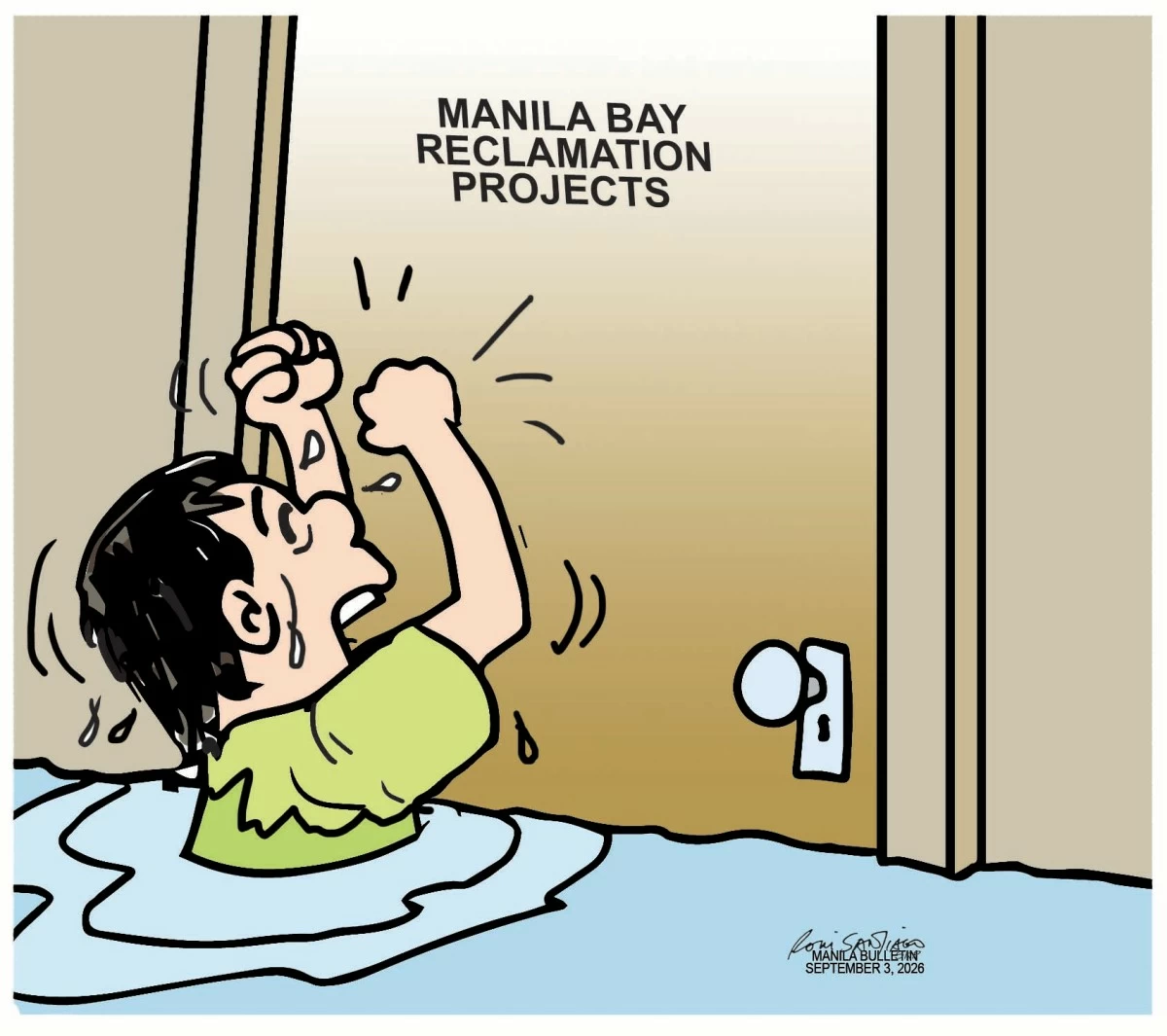 The catastrophic flooding that engulfed Metro Manila and other parts of the country should end the illusion that nature can be endlessly displaced without consequence.
For decades, the government has allowed urban development to outrun sound planning. University of the Philippines Resilience Institute executive director Mahar Lagmay has pointed to the abandonment of the 1941 Quezon City master plan, which envisioned a 400-hectare central park and government center in the Diliman Quadrangle. The plan also provided for open spaces and wide green easements along waterways that could have helped absorb floodwaters.
The warning is straightforward. When cities eliminate natural spaces for water, water eventually reclaims its space.
The bay is not an empty expanse waiting to be converted into commercial districts, residential communities, and artificial shorelines. It remains a critical component of the natural drainage system of Metro Manila and neighboring provinces. In an increasingly paved and built-up metropolis, every remaining natural space capable of receiving, storing, and slowing water becomes increasingly valuable.
This is not an argument against development. The Philippines needs housing, jobs, infrastructure and economic activity. But development cannot be measured simply by hectares created, buildings constructed, or investments attracted. What is the economic value of new land if the ecological systems that protect existing communities are weakened in the process?
That review must not become another bureaucratic exercise.
The principle should be simple. No reclamation project should be considered acceptable merely because its individual footprint appears manageable if the collective footprint threatens Manila Bay’s ecological and flood-buffering functions.
Citizens, too, cannot remain spectators. Protecting waterways, preventing waste from entering drainage systems, preserving trees and open spaces, supporting wetland restoration and demanding transparency from officials and developers are practical acts of flood resilience.
We cannot fight nature. We can only plan, but with the ecological balance in mind—or suffer the consequences of planning against it.
We need development. But we need development that keeps people safe.
If we destroy that defense in the name of progress, the resulting disasters will be the price of our own making.
*****
Credit belongs to: www.mb.com.ph


