 Atin Ito | Ontario’s First Filipino Community Newspaper – Trusted News and Stories for the Filipino-Canadian Community Atin Ito is Ontario’s first Filipino community newspaper, delivering trusted news, stories, and updates for Filipino-Canadians. Stay connected with your community.

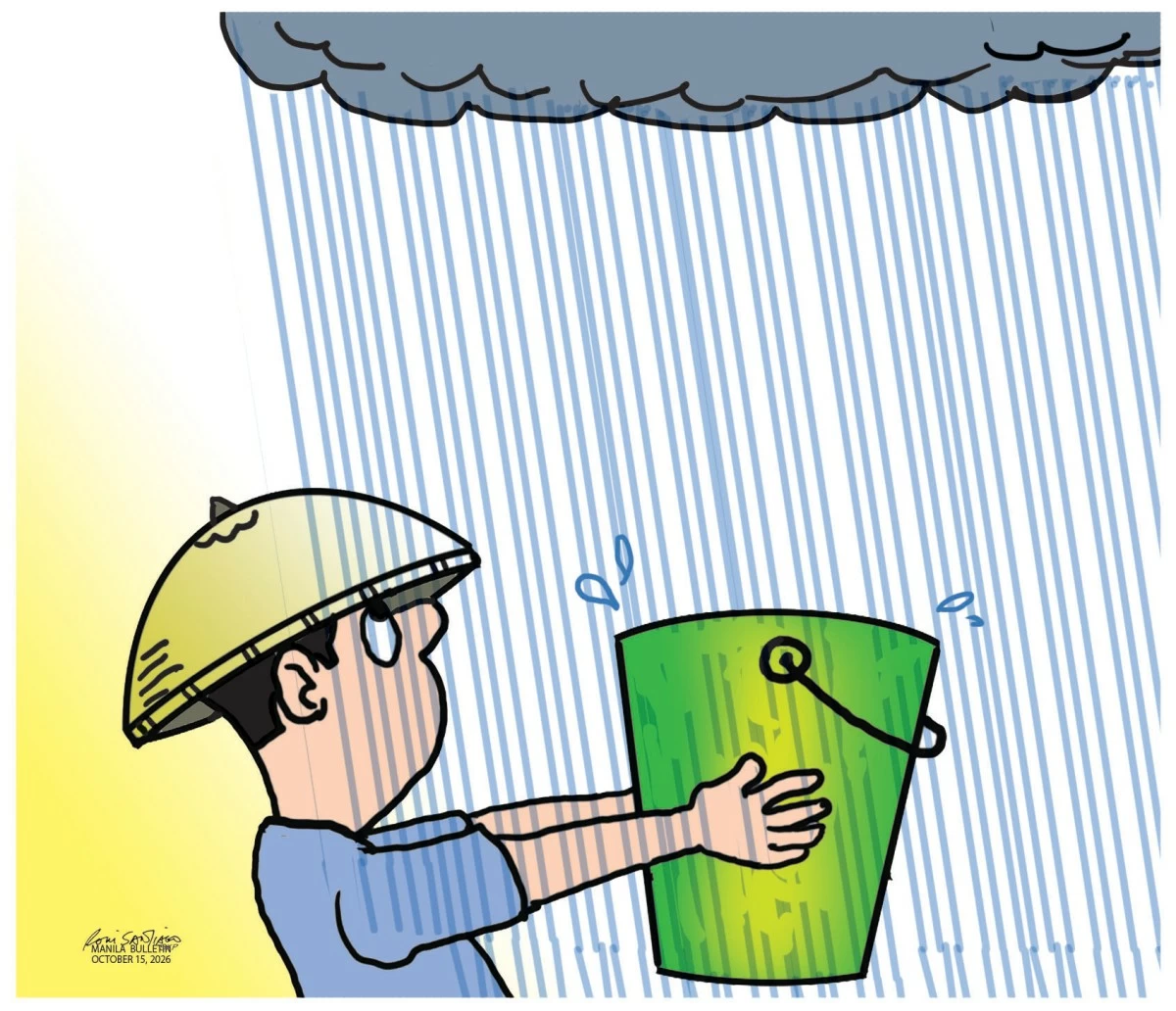 Balde—the humble pail or bucket, that utilitarian Pinoy household must-have—is having its viral moment; it might as well be the Halloween costume or accessory of the year!
All kinds of memes have emerged (Lord Balde-mort, anyone?), from the playful and witty to the downright corny. But beyond the jokes lies a worrisome trend, as social media has also been flooded with infographics comparing our country’s preparations for the looming El Niño crisis with those of other Southeast Asian countries.
Amid the controversy, Malacañang defended the President’s remarks about the balde, insisting it was just a parcel of the efforts to fight El Niño. Palace Press Officer Claire Castro stressed during a press briefing: “This is no joke. The President is taking what is happening seriously, what will happen and what could worsen in the coming months.”
Castro explained further that the DSWD would teach households how to filter collected rainwater. She was even shown live on broadcast drinking purified water.
To address these concerns, the administration has outlined measures involving hospital readiness, food and water security, cloud seeding, assistance to affected farmers, and alternative learning arrangements should extreme heat disrupt classes. The President has likewise convened concerned government agencies to fine-tune preparations and coordinate their response.
The real measure of government readiness will not be the number of meetings convened, plans announced, or statements issued. It will be whether farmers receive assistance before their crops wither, communities have adequate water supplies, hospitals remain operational, and students can continue learning safely.
Equally important, the government must communicate its preparations clearly—and early. Filipinos deserve to know not only what agencies intend to do, but also when these measures will be implemented, how much funding has been allocated, and which communities will receive priority assistance.
There is certainly nothing wrong with telling Filipinos to prepare a balde. But national preparedness must extend far beyond it.
The jokes about buckets may soon die down, replaced by another issue dominating social media.
*****
Credit belongs to: www.mb.com.ph


