 Atin Ito | Ontario’s First Filipino Community Newspaper – Trusted News and Stories for the Filipino-Canadian Community Atin Ito is Ontario’s first Filipino community newspaper, delivering trusted news, stories, and updates for Filipino-Canadians. Stay connected with your community.

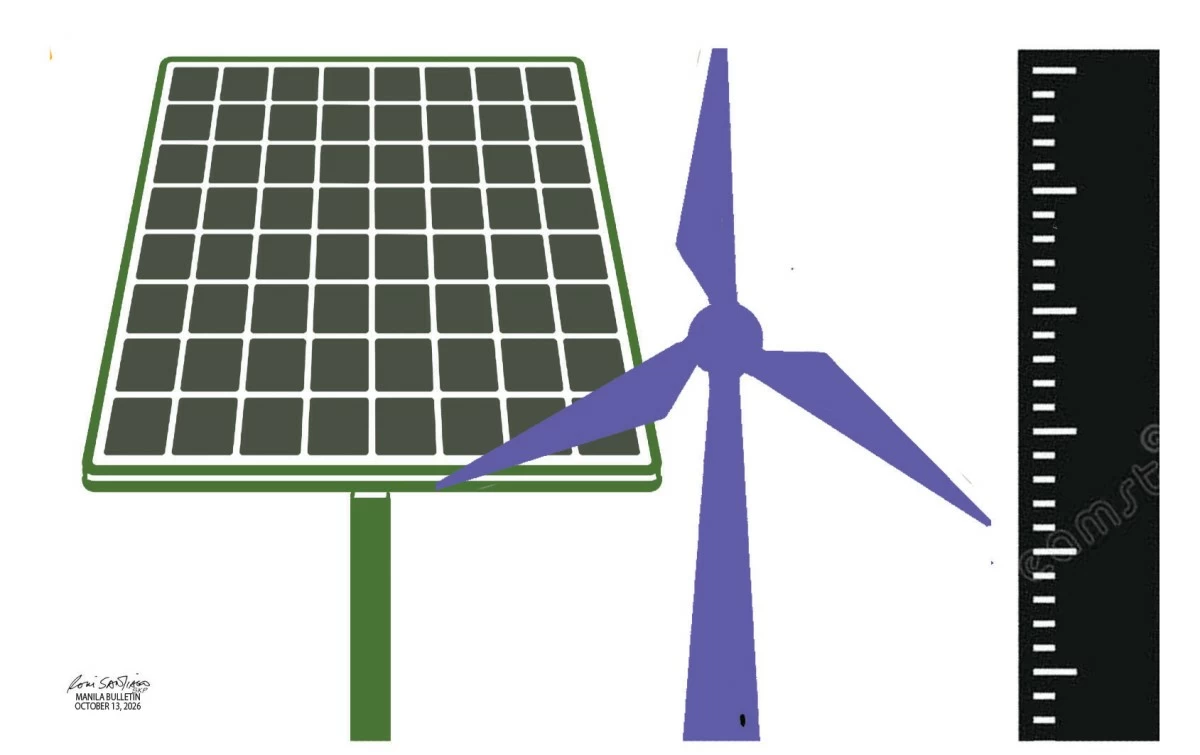 The observance of National Standards Week from Oct. 8 to 14, culminating in World Standards Day on Oct. 14, offers the Philippines an opportunity to reflect on an often-overlooked foundation of national development: standards that make products safer, industries more competitive, technologies more reliable, and economic progress more sustainable.
Declared through Proclamation No. 1327 in 1974, National Standards Week underscores the importance of standards-consciousness in accelerating economic growth and attaining national development goals. Its relevance has only grown as the Philippines pursues inclusive growth, digital transformation, energy security, and greater resilience to climate change.
Standards provide a common language for government agencies, businesses, researchers, and consumers. They establish agreed requirements for quality, safety, performance, and compatibility. When properly developed and enforced, they build public confidence, reduce waste, facilitate trade, and help Philippine enterprises compete in international markets.
National standards can translate these partnerships into practical results. Common technical requirements enable businesses to work together, allow compatible products and systems from different suppliers to function, and help regulators assess performance against objective criteria. Alignment with internationally recognized standards can also help local manufacturers enter export markets and participate in regional and global supply chains.
The focus on clean and affordable energy is equally consequential. SDG 7 calls for reliable, sustainable, and modern energy for all. For an archipelagic country vulnerable to imported fuel-price shocks and climate-related disasters, accelerating renewable energy development and improving energy efficiency are both economic necessities and environmental imperatives.
These safeguards matter as the Philippines expands renewable energy capacity and explores new technologies. Poor-quality equipment, incompatible systems, and inadequate installation practices can undermine investments and erode public confidence. Consistent technical requirements, credible testing, and effective enforcement can reduce these risks while encouraging innovation.
National Standards Week and World Standards Day should inspire action beyond ceremonial observances. The Department of Trade and Industry’s Bureau of Philippine Standards, other government agencies, industry associations, and academic institutions must work together to strengthen standards development, upgrade technical capabilities, and widen public awareness.
*****
Credit belongs to: www.mb.com.ph


