 Atin Ito | Ontario’s First Filipino Community Newspaper – Trusted News and Stories for the Filipino-Canadian Community Atin Ito is Ontario’s first Filipino community newspaper, delivering trusted news, stories, and updates for Filipino-Canadians. Stay connected with your community.

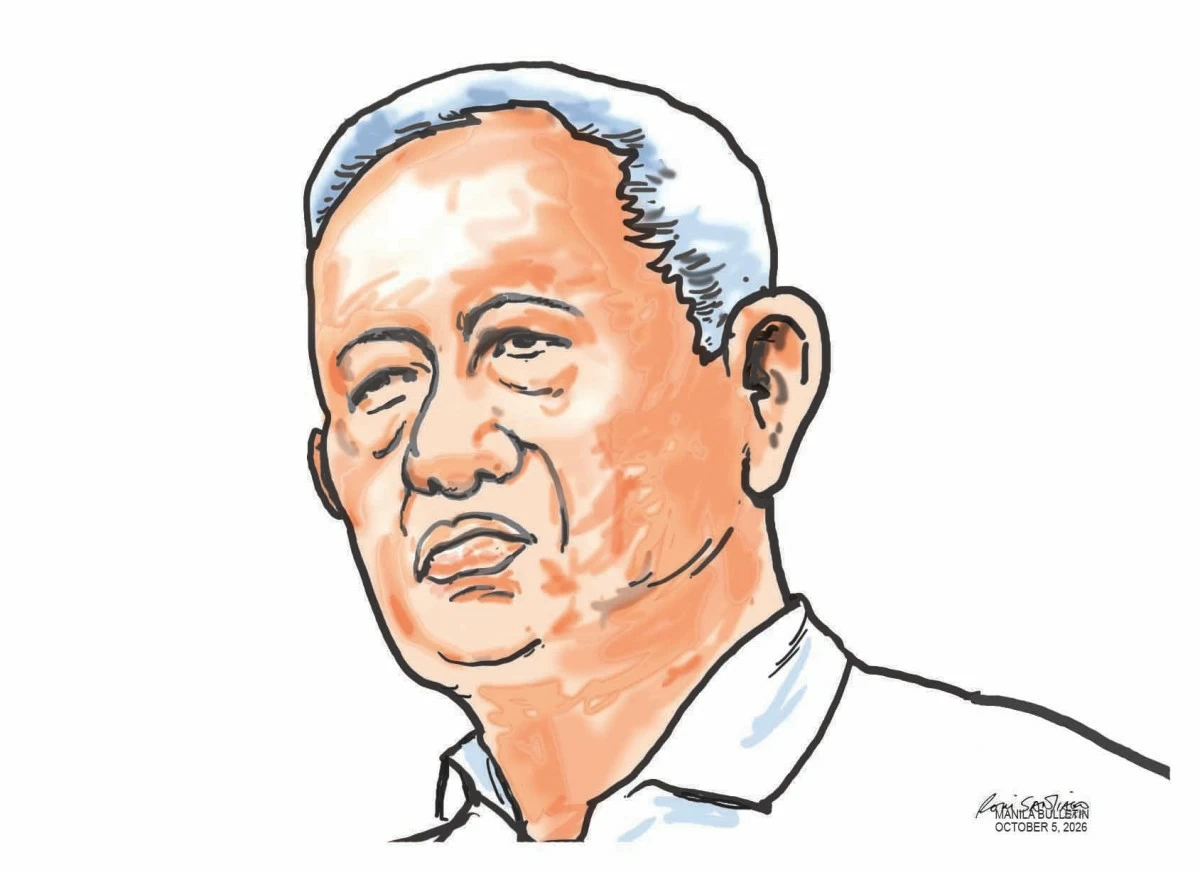 The passing of Cesar Enrique Aguinaldo Virata at 95 closes an important chapter in the economic history of the Philippines.
A grandnephew of Gen. Emilio Aguinaldo, the first President of the Philippine Republic, Virata carried a distinguished family name. But his own legacy was built less on lineage than on scholarship, public service, economic management, and decades of engagement with Philippine business.
A University of the Philippines graduate who earned degrees in mechanical engineering and business administration, both with honors, Virata pursued an MBA in industrial management at the Wharton School of the University of Pennsylvania. He returned to the Philippines to teach and eventually became dean of the UP College of Business Administration. During his deanship from 1960 to 1967, the MBA program was instituted at UP. His alma mater would later name its business school the Cesar E.A. Virata School of Business.
In government, Virata became one of the country’s longest-serving economic managers. He headed the Department of Finance from 1970 to 1986. He was Prime Minister from 1981 until the transition of government in 1986. He also served as Philippine governor to the World Bank and Asian Development Bank and participated in major international economic and financial institutions.
Virata’s government career unfolded under Ferdinand Marcos during a period marked by both ambitious economic planning and profound political controversy. Martial Law, declared in 1972, brought centralized decision-making and restrictions on civil liberties, while the administration pursued infrastructure expansion, industrialization, and closer engagement with international lenders. These policies produced important investments and periods of growth, but they also coincided with crony capitalism, corruption allegations, rising inequality, and the concentration of economic power in politically connected hands.
The assassination of opposition leader Benigno ‘Ninoy’ Aquino Jr. in 1983 further damaged political legitimacy and intensified economic uncertainty. The resulting contraction, unemployment, inflation, and social hardship exposed the limits of technocratic management when institutions were weakened and major decisions were concentrated within an authoritarian system.
Recognizing his expertise does not require overlooking the abuses and economic distortions of the period; acknowledging those realities does not erase the professional responsibilities he assumed in managing the country’s finances and development programs. A balanced account must hold both truths together.
His story reminds us that nation-building is not the exclusive province of politicians. Economists, educators, managers, bankers, engineers, and other professionals can leave an enduring imprint when expertise is placed at the service of institutions and country.
*****
Credit belongs to: www.mb.com.ph


