 Atin Ito | Ontario’s First Filipino Community Newspaper – Trusted News and Stories for the Filipino-Canadian Community Atin Ito is Ontario’s first Filipino community newspaper, delivering trusted news, stories, and updates for Filipino-Canadians. Stay connected with your community.

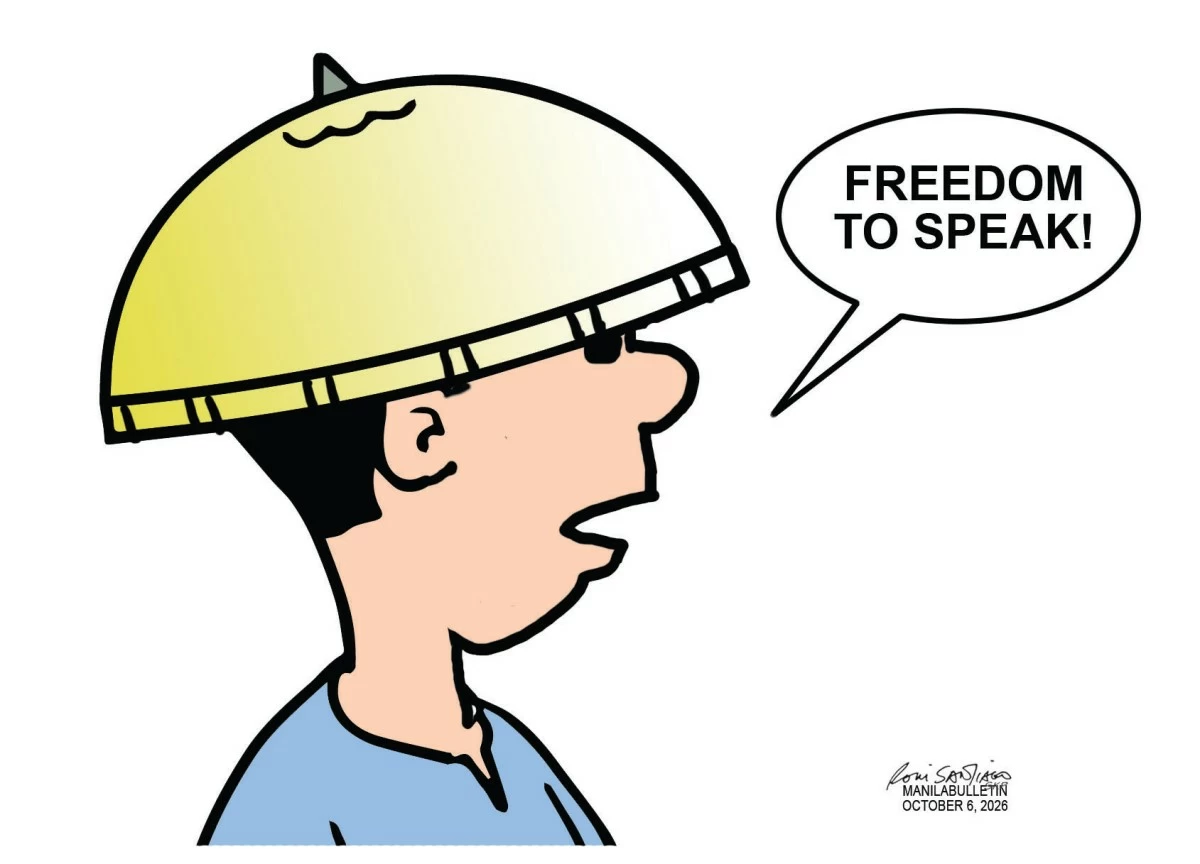 The June 2026 Social Weather Stations survey found 59 percent of Filipinos agreeing that they can “say anything I want, openly and without fear, even if it is against the administration.” Only 22 percent disagreed. The resulting plus 37 net agreements was classified as “strong.”
A majority of Filipinos still feel free to speak their minds against the government. This is good news—not because it validates or condemns the Marcos administration, but because it affirms something more fundamental: democracy remains alive when citizens do not have to look over their shoulders before criticizing those in power.
The alternative is dangerous.
We know this from our own history.
Since then, the sentiment has generally remained positive under successive administrations. That continuity is significant. It suggests that one of the most important legacies of the post-EDSA order is not merely the right to vote, but the normalization of the right to disagree.
Citizens have a right to criticize government. Government has an obligation to listen. Media have a responsibility to scrutinize. Political leaders have a duty to offer credible alternatives. And voters must ultimately decide what they will do with the information available to them.
The next presidential and national elections are still two years away, but the political conversation that will shape them does not begin on campaign day. It is being formed now—in households, communities, newsrooms, schools, social-media platforms and the halls of government.
The coming electoral contest must not become another festival of personalities, slogans, insults and social-media manipulation. Malacañang must resist the temptation to equate criticism with disloyalty. The opposition must demonstrate that opposition means more than obstruction. Congress must exercise genuine oversight rather than partisan theater. Media must distinguish legitimate political debate from manufactured outrage. Technology platforms must do their part against disinformation.
Being free to say anything does not make everything said true. Democracy depends not merely on free speech but on informed speech, responsible listening and evidence-based choices.
The freedom to speak is one of the fruits of EDSA. The challenge before this generation is to prove worthy of it. Let Filipinos speak freely. Let government listen seriously. Let candidates compete honestly. And when Election Day comes in 2028, let the people speak with the most powerful voice of all: their vote.
*****
Credit belongs to: www.mb.com.ph


