Thursday , November 12 2026
Home / Editorial / Delay in ‘The Big One’ quake resiliency project would be costly
  • Advertise Here

Delay in ‘The Big One’ quake resiliency project would be costly

The closing date of a $300-million loan from the World Bank that would protect Metro Manila and the Greater Manila Area from the devastating effects of “The Big One” was set for June 30, 2026. However, due to delays in its implementation, the deadline has been extended twice, the last being May 31, 2028.

Now, who should be held accountable for a government project intended to save lives but has spent years trapped in the state’s machinery?

The government should not just find comfort in the thought that it got another extension from the multilateral lender for the seismic risk reduction and resilience project. It should instead demand a full accounting of what went wrong, who was responsible for the delays, and why a program designed to protect Metro Manila from a catastrophic earthquake remains so far behind schedule.

Look at the numbers. These are damning and alarming to say the least.

The World Bank approved a $300-million loan for the project in June 2021, supplemented by $9.5 million in Philippine government counterpart funding. More than five years later, only $69.6 million, or 23.2 percent, has been disbursed, according to latest World Bank data. And more disturbing, no civil works have yet been completed.

Now comes the price of that delay.

Because average retrofitting costs have increased and the available budget is no longer sufficient, the government will reduce the number of buildings targeted for civil works from 425 to 234, a 45-percent reduction. That means 191 buildings will no longer receive the interventions originally envisioned.

The government must not allow this to pass as an ordinary project-management problem.

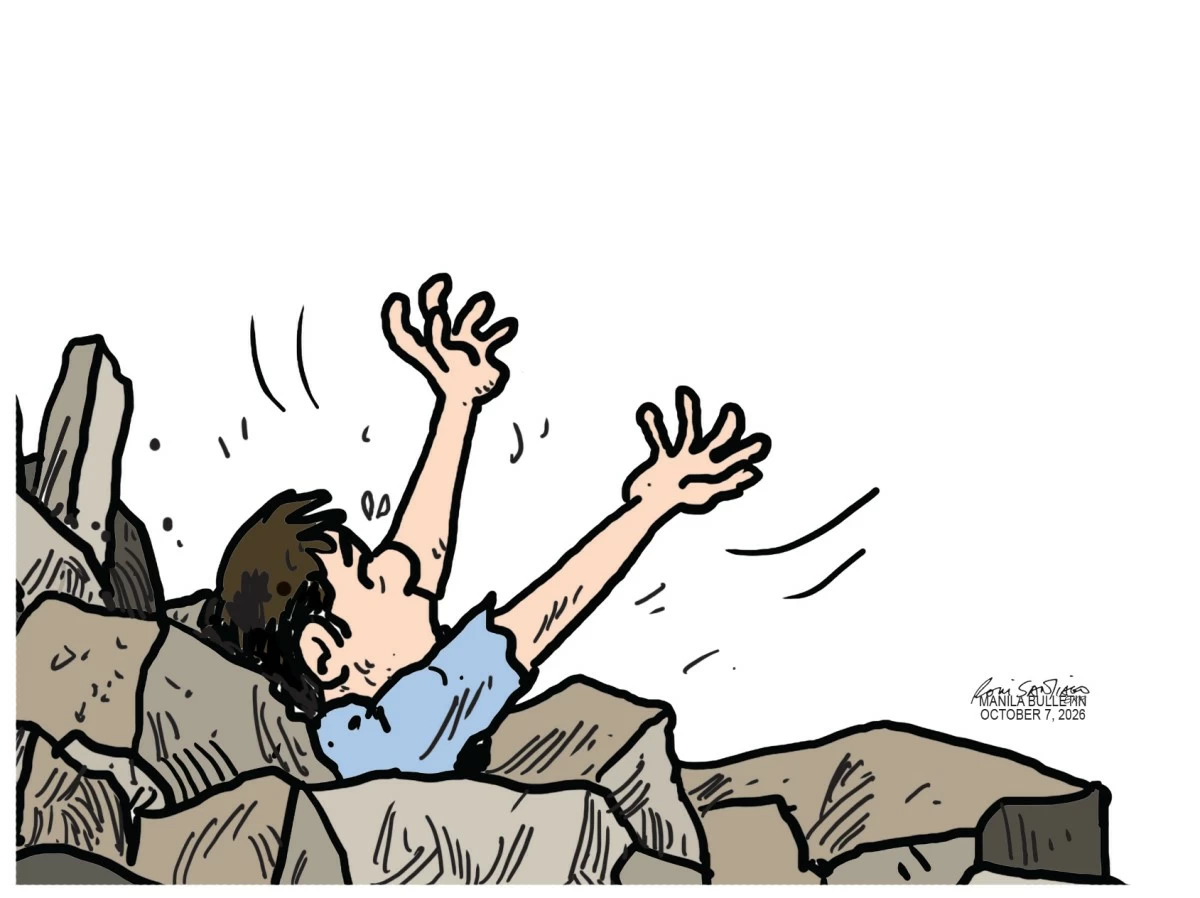
These are buildings. They are workplaces, schools, public facilities and other places where people may be when disaster strikes. Removing them from a seismic-resilience program potentially leaves people and public institutions more exposed to the consequences of a major earthquake, like a projected magnitude 7.2 earthquake.

The World Bank has attributed the delays to changes within the Department of Public Works and Highways, inadequate and unpredictable government funding, and lengthy internal procedures for reviewing and approving building designs.

Fine.
Then investigate these rationale down to the last decision, document, and responsible office.

Who failed to ensure timely funding? Why was counterpart financing inadequate or unpredictable? Why did design approvals take so long? Where did the process stall? Which officials or offices had the authority to act but failed to do so? Were procurement and project-management weaknesses involved? Did institutional changes disrupt implementation? Were corrective measures proposed and ignored?

But the central question is, how much of this delay was avoidable?

The urgency is beyond dispute.

Under the magnitude 7.2 earthquake scenario, it is projected that it will cause approximately 48,000 deaths and 604,000 injuries, including 16,000 serious injuries, while causing as much as $48 billion in direct economic losses and severely damaging or collapsing substantial portions of the built environment.

Those projections should make bureaucratic complacency intolerable.

An earthquake may hit anytime. Therefore, the government must conduct a comprehensive, transparent, and independent investigation into the project’s delayed implementation—from fund releases and counterpart financing to procurement, design approval, project execution and the decisions that ultimately produced the 45-percent reduction in targeted buildings.

If the evidence establishes negligence, gross incompetence, abuse of authority or violations of law, those responsible must face the appropriate administrative, civil, or criminal consequences. Accountability must follow the evidence, regardless of rank or position.

The World Bank has given the Philippines more time.

But Filipinos should not have to give the government more time to explain.

The Big One is inevitable.

And the government can’t prevent its occurrence. But it can—and must—prevent avoidable bureaucratic failure from turning a natural disaster into an even greater human catastrophe.

Don’t say, we didn’t warn.

*****

Credit belongs to: www.mb.com.ph

Check Also

Are we still a country worth staying for?

First things first: there is absolutely nothing wrong with aspiring to work abroad. Filipinos should …