 Atin Ito | Ontario’s First Filipino Community Newspaper – Trusted News and Stories for the Filipino-Canadian Community Atin Ito is Ontario’s first Filipino community newspaper, delivering trusted news, stories, and updates for Filipino-Canadians. Stay connected with your community.

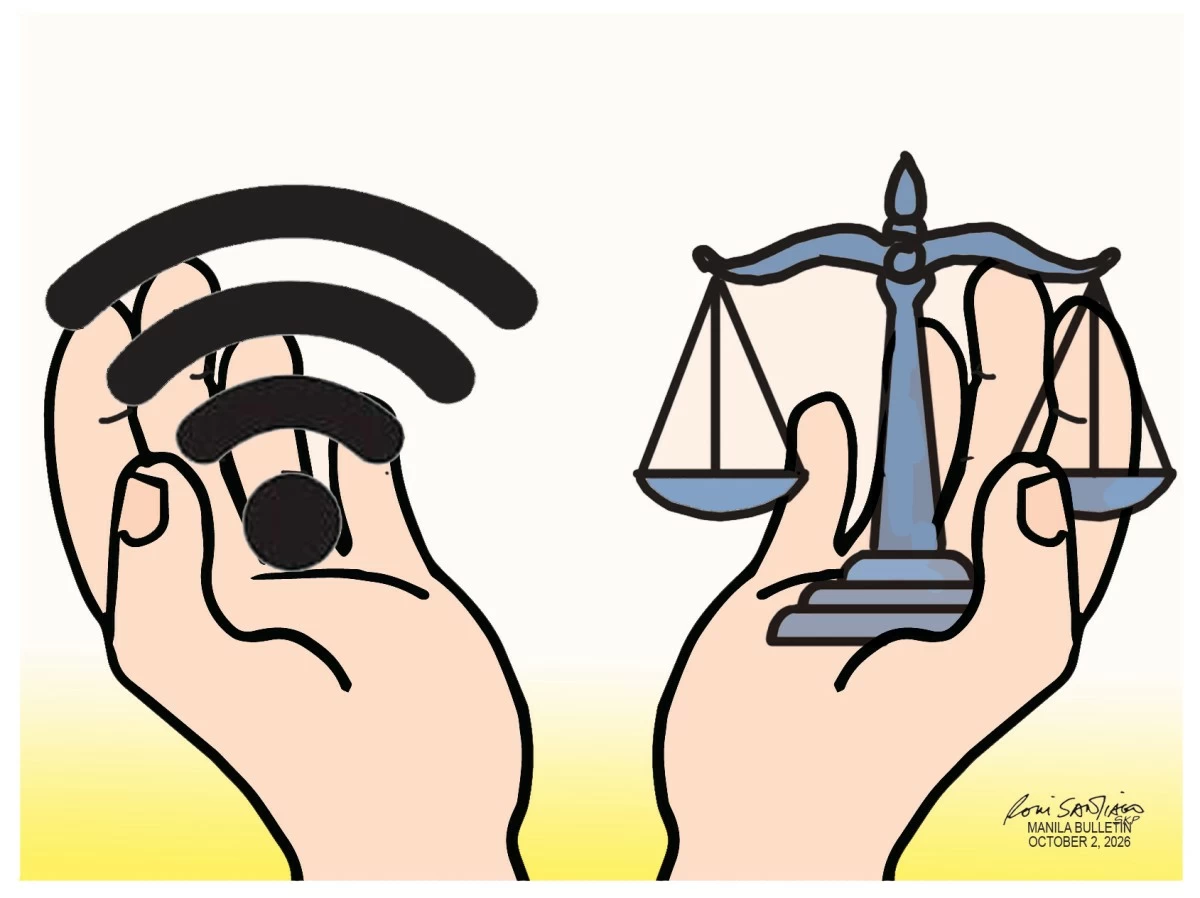 The National Telecommunications Commission (NTC) has every right and every responsibility to demand better telecommunications services from companies whose businesses depend on the public. But in exercising that authority, the regulator must itself remain subject to the law.
In a country governed by laws and regulations, even a legitimate regulatory objective cannot justify an unlawful process.
The NTC claimed its September 2026 validation found no improvement in previously identified mobile broadband deficiencies and consequently imposed a ₱100,000 daily penalty on each operator through show-cause orders. The Philippine Chamber of Telecommunication Operators (PCTO), the umbrella organization of the telcos, questioned whether the operators were given sufficient opportunity to examine and contest the findings. It cited undisclosed methodologies, metrics, parameters, and testing conditions.
The Supreme Court has already made clear in Globe Telecom vs NTC that the Commission’s authority to investigate compliance is distinct from its authority to impose fines. While the NTC may exercise certain enforcement powers without a prior hearing, the imposition of a fine requires notice and hearing. The Court described notice and hearing as essential elements of administrative due process.
The NTC should disclose the evidentiary and technical foundations of its findings sufficiently for the affected operators to understand, verify, and contest them. Doing so does not weaken regulation. It strengthens the legitimacy of enforcement and protects the NTC itself from the charge that it acted arbitrarily.
Telcos have obligations to the public they serve. Customers do not pay monthly subscriptions, purchase load and data packages, or pay other telecommunications charges merely to receive assurances that their networks will eventually improve. They pay for usable, reliable connectivity.
Thus, if the NTC’s procedure is deficient, the telcos have legitimate avenues to challenge it. They may contest the findings, seek reconsideration and pursue judicial remedies where appropriate. The courts exist precisely to determine whether government agencies have acted within the bounds of their authority. The Supreme Court itself has emphasized that judicial review remains an essential check on administrative power.
For why should a show-cause order become necessary at all if customers consistently receive quality service for which they pay?
In a nation governed by law like ours, the government must regulate lawfully and businesses entrusted with serving the public must perform responsibly.
*****
Credit belongs to: www.mb.com.ph


