 Atin Ito | Ontario’s First Filipino Community Newspaper – Trusted News and Stories for the Filipino-Canadian Community Atin Ito is Ontario’s first Filipino community newspaper, delivering trusted news, stories, and updates for Filipino-Canadians. Stay connected with your community.

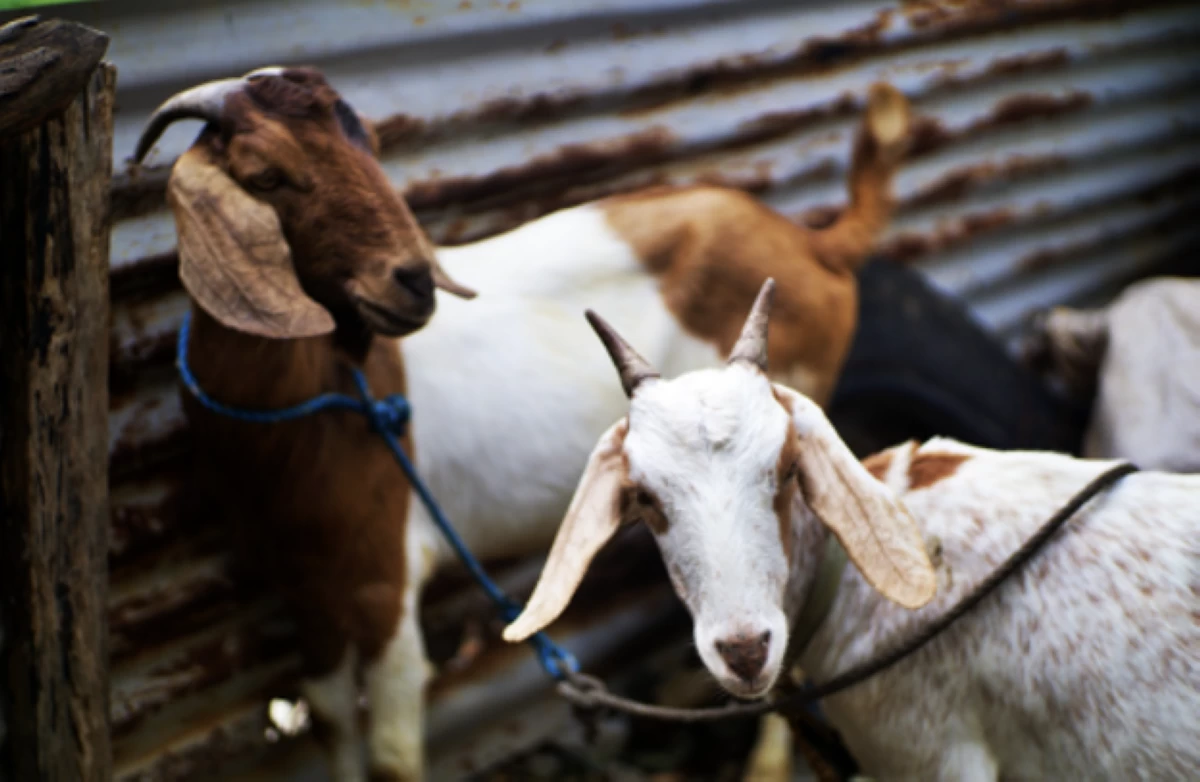 Photo by: Lora Cerdan for Animal Empathy Philippines
The first week of October has been officially recognized as Animal Welfare Week in the Philippines since 2004. For AEP, the observance is an opportunity to broaden conversations about animal welfare and consider the many animals whose lives are closely connected to the country’s food and agricultural systems.
That connection is becoming particularly relevant as the Philippines prepares for a strengthening El Niño. DOST- PAGASA reported in September that El Niño conditions are expected to increase the likelihood of below-normal rainfall, dry spells, and drought in parts of the country.
Farmed animals rely on people for access to water, food, appropriate shelter, veterinary care, and protection during emergencies. Extreme heat, drought, typhoons, floods, and disease outbreaks can affect these needs, making animal welfare an important consideration in agricultural and disaster planning.
“Looking after farmed animals is not a choice between animal welfare and people’s welfare,” Lupango said. “When farmers have the resources, information, and plans they need to care for animals during difficult conditions, that can also support livelihoods and more resilient agricultural communities.”
The issue also extends beyond disasters. Lupango has emphasized the importance of policy and legislation in creating long-term and systemic protection for animals raised for food. This means considering how animal welfare is addressed across farming practices, disease prevention and response, transport, housing, disaster planning, and other decisions that affect animals throughout their lives.
Public attention is also part of that conversation. When farmed animals are primarily encountered as products rather than living animals, their experiences can receive less attention in everyday discussions of animal protection. AEP hopes that Animal Welfare Week can encourage more Filipinos to learn about them, ask questions, and consider their welfare alongside that of other animals.
This October, AEP is marking the observance through Farmed Animal Welfare Week, a volunteer-led campaign running from October 2 to 9.
Through Farmed Animal Welfare Week, AEP hopes to create more space for farmed animals in a conversation that already matters deeply to many Filipinos: how animals should be treated, protected, and considered in the decisions that shape their lives.
*****
Credit belongs to: www.mb.com.ph


