 Atin Ito | Ontario’s First Filipino Community Newspaper – Trusted News and Stories for the Filipino-Canadian Community Atin Ito is Ontario’s first Filipino community newspaper, delivering trusted news, stories, and updates for Filipino-Canadians. Stay connected with your community.

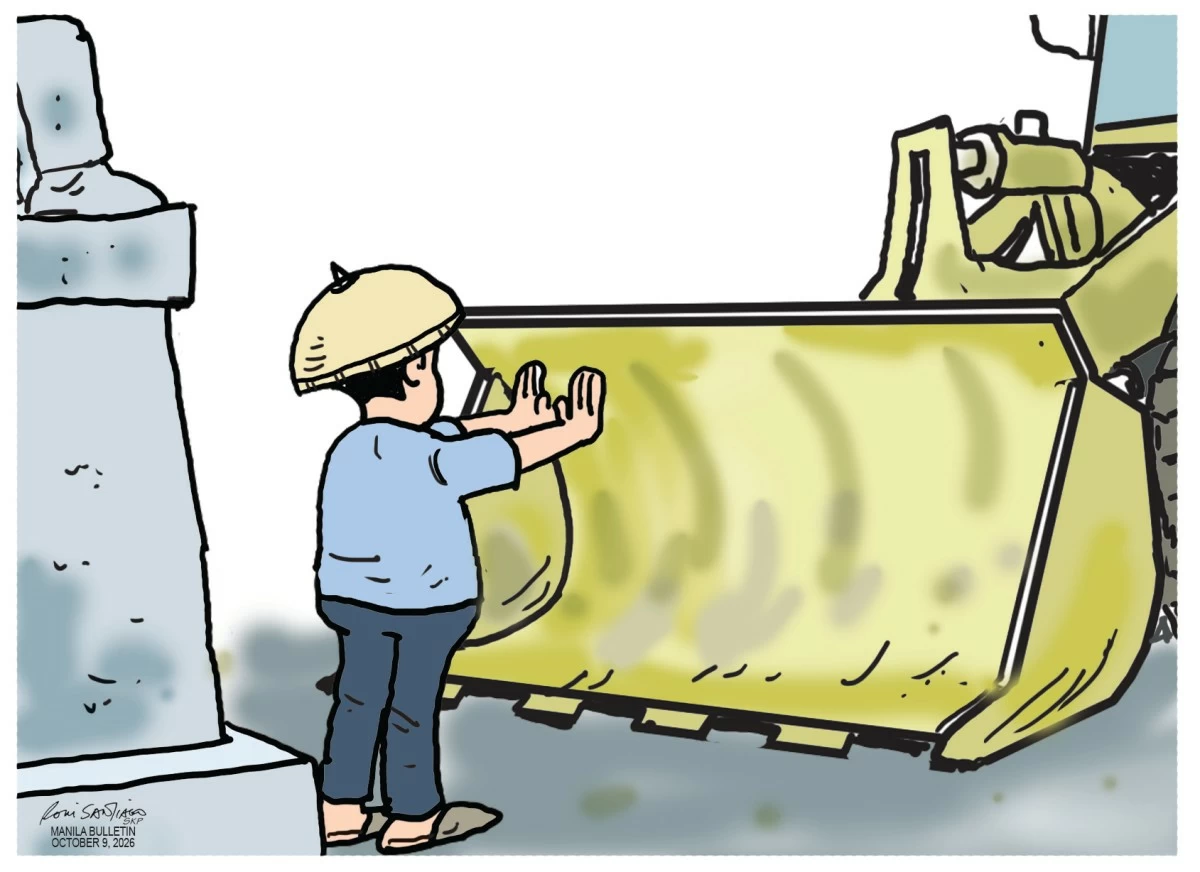 The Manila city government is confronted with a crucial test of public governance in its handling of the proposed Southern Access Link Expressway (SALEX). Will its decisions affecting the city’s communities, environment and heritage be guided principally by public interest or become contingent upon the response of the project’s proponent?
The issue came to fore after 37 organizations and 424 individuals petitioned city officials to reconsider the Certificate of No Objection issued for the proposed SALEX project. The petitioners questioned aspects of the project’s proposed alignment and raised concerns regarding its possible effects on traffic, public health, air quality, tree cover, urban heat, community livability, and sites of historical and cultural significance.
This raises a fundamental question of administrative responsibility. Should the government’s duty to examine legitimate public concerns be dependent upon whether a private project proponent responds?
The city could, in effect, find itself waiting indefinitely for the very party whose proposal is the subject of public scrutiny. That would place the government in an unnecessarily dependent position and could leave substantive concerns raised by citizens without an adequate institutional response.
But the government’s responsibility is distinct from that of the proponent.
The petitioners identified several institutions and heritage sites that they said could be affected, including the Cultural Center of the Philippines, Bangko Sentral ng Pilipinas, Ospital ng Maynila, Ramon Magsaysay Center, the Supreme Court, University of the Philippines Manila, Paco Park and Adamson University.
Infrastructure may be necessary for a city’s future, but development should not be measured solely by the traffic it can move. It should also be assessed by the heritage it may affect, the communities it may alter, and the environmental costs it may impose.
The points raised are crucial.
The ultimate question is therefore not whether Manila should develop. It is what kind of development Manila should accept, and at what cost to the public realm.
Public interest must remain the governing principle.
*****
Credit belongs to: www.mb.com.ph


