
Thursday , November 12 2026
Home / Lifestyle / Are you a hearty portioner?
  • Advertise Here

Are you a hearty portioner?

Learn how mindful eating, portion control, and simple changes in mealtime habits can help avoid overeating
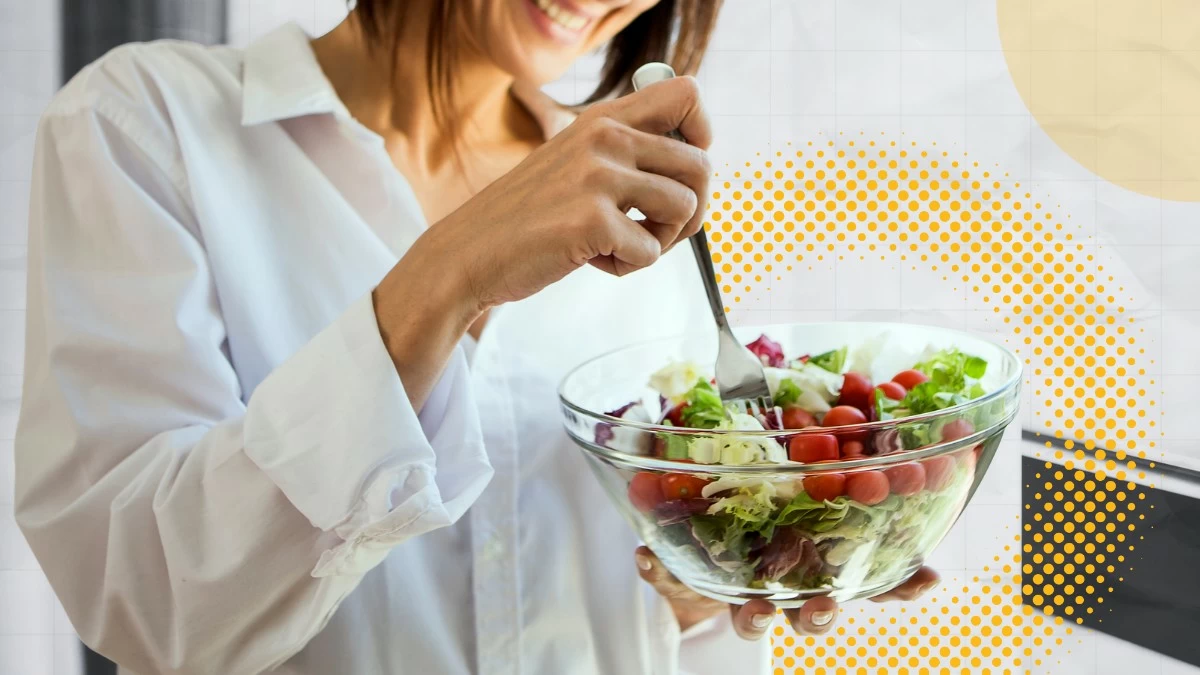
(Artwork: Nancy Marie Andam)(Artwork: Nancy Marie Andam)

Do you tend to eat too much food too fast that you don’t know when to stop eating until it’s too late and you end up feeling stuffed? Dr. Robert Kushner, a world-renowned leader in obesity medicine, coined a term to describe this lifestyle eating pattern. Individuals who never feel a sense of fullness until it’s too late and have already eaten more than they should are hearty portioners.

Hearty portioners possibly exceed their caloric requirements, leading to unwanted and unnecessary weight gain. When it comes to weight management, how much you eat and what you eat matter. After all, you can eat a meal that has the right amount of calories according to your body’s needs yet still fail to get the nourishment that your body requires due to the poor quality of empty-calorie foods. Empty-calorie foods are junk foods. They provide energy from carbohydrates, protein, and fat. However, they do not contain nutritious fiber, antioxidants, plant nutrients or phytochemicals, vitamins, and minerals. All of these are needed to support optimum metabolism and weight management.

The problem among hearty portioners or big eaters that I have observed during my private practice as a registered nutritionist-dietitian for over two decades is that they both struggle with eating empty-calorie foods and consume them in large quantities. This is no longer a matter of lacking self-control; rather, it is all about deciding to be intentional and mindful about eating habits and food choices. After all, eating must not only be pleasurable. It must also be healthful for our bodies.

Eating habits greatly impact weight. Excess weight and body fat, especially in the belly area, have many health implications. If you are a hearty portioner and want to take control of your health by developing healthy eating habits, here are some practical steps you can take to help prevent overeating.

Remove distractions during mealtimes

You are already on your screen or phone most of the time for work and recreation. Treat mealtimes as sacred and free yourself from distractions. When you focus on your meal, you will be more attuned to your body’s signs of fullness. You will also get to focus on your portion sizes, thus preventing overeating. The goal is to be able to chew your food properly, savor its texture and flavors, and reach satiety to prevent food cravings later on. Most individuals who spend mealtimes on their phones or computers or watching TV have a higher chance of experiencing food cravings toward the end of the day because they have not fully “experienced” a satisfying meal.

Take it slow

It takes time for the lower part of the small intestine and colon to release the gut hormone peptide YY, or PYY, to tell the brain that one is full or has reached satiety. Therefore, if you eat fast, you will have already eaten more than your stomach can handle before you realize that you are already full. Eating slowly will help keep you from overeating. To prevent overeating, avoid preloading your spoon and fork. Once you have food in your mouth, put down your eating utensils instead of loading them up in preparation for the next bite.

Take sips of water

Drinking water in between bites will help slow down your pace of eating, thus decreasing the total amount of food intake and giving the gut adequate time to send a satiety signal to the brain, which is your cue to stop eating.

Avoid portion traps

If buffets cannot be avoided, fill your first plate with vegetables and fruits only. The second serving must include your choice of carbohydrate dish, such as rice, pasta, or bread, along with lean protein from meat, chicken, or seafood, and soup. Consider yourself done after the second plate and just drink water, tea, or black coffee after the meal. Focus on socializing and table conversations instead. When ordering in a restaurant, avoid tempting offers to upsize drinks and meals. Stick to the regular portion. When dining at home, it is best to portion out dishes (for example, 1 cup of rice, palm-sized chicken, and a minimum of 1 cup of cooked vegetables) on your plate before eating.

Avoid grazing

After eating your portioned meal, it is time to brush your teeth, take some sugar-free mints, or drink tea or water with calamansi, lemon, or lime to avoid grazing. Grazing happens when there is leftover food on the table and you start nibbling on it while engaging in conversations.

If you are a hearty portioner, try these practical tips, and you can surely overcome the habit of overeating.

— Cheshire Que

cheshireque@gmail.com

*****
Credit belongs to: www.mb.com.ph

Check Also

Brooklyn-inspired Christmas display lights up GH Mall

GH Mall ushers in the Christmas season with the lighting of its holiday tree at …