 Atin Ito | Ontario’s First Filipino Community Newspaper – Trusted News and Stories for the Filipino-Canadian Community Atin Ito is Ontario’s first Filipino community newspaper, delivering trusted news, stories, and updates for Filipino-Canadians. Stay connected with your community.

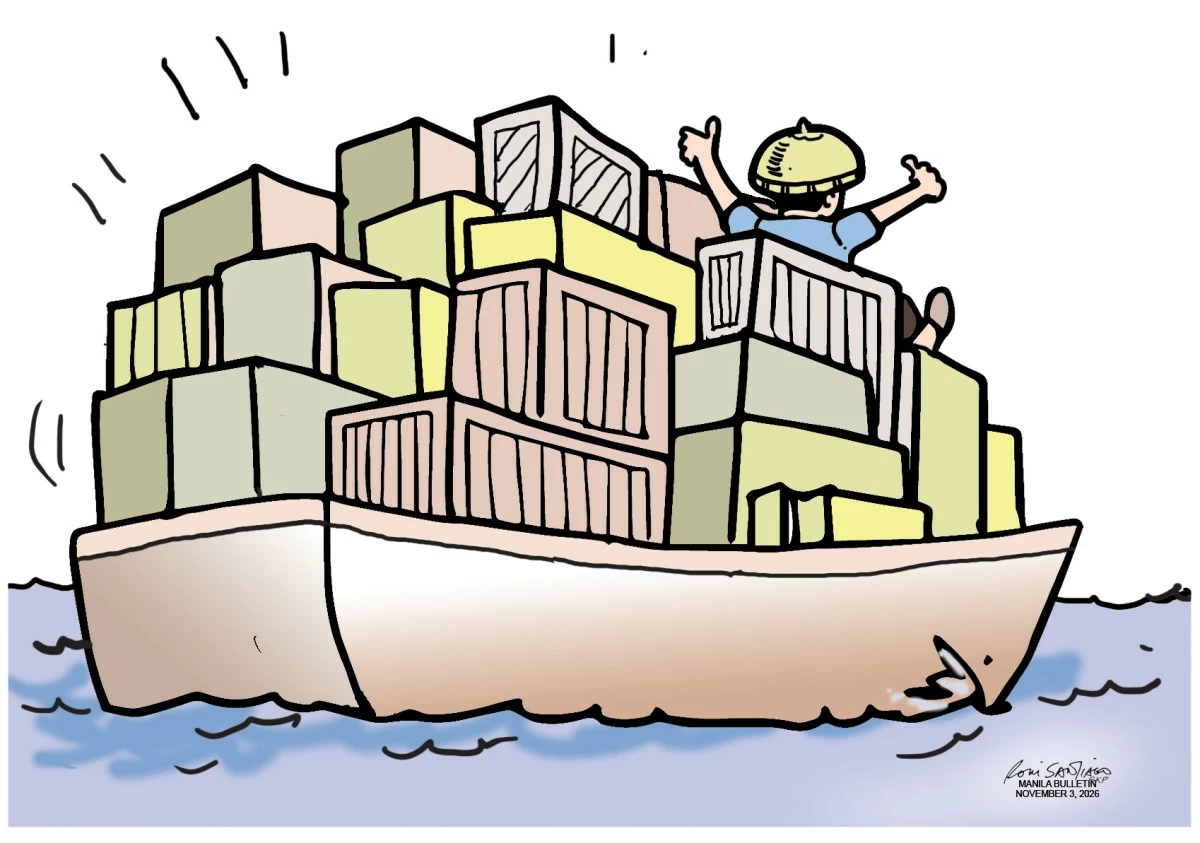 The Philippines’ export performance offers a welcome bright spot in an economy that has struggled to achieve its targeted growth rates. In September 2026, the country registered export growth of 35.6 percent, with export sales reaching $9.87 billion, the highest monthly export value recorded since the Philippine Statistics Authority (PSA) began tracking international trade in 1991, according to Trade Secretary Cristina Roque.
This encouraging development provides an appropriate backdrop for the Philippine Exporters’ Trade Exposition and Forum, scheduled on Nov. 4 to 8. More than a showcase of Philippine products and services, the event should serve as a strategic platform for examining how the country can translate expanding access to international markets into sustained domestic production, employment generation, and higher economic growth.
The PSA data also reveal an important qualification: electronic products accounted for 70.1 percent of September exports. Manufactured goods contributed 85.9 percent, while agro-based products accounted for only 5.3 percent. This concentration underscores the need to broaden the country’s export base. More Filipino agricultural producers, food processors, manufacturers, and small and medium enterprises (SMEs) must be enabled to participate in global supply chains.
How can the country turn export growth into a more substantial contribution to GDP growth?
Second, infrastructure and logistics constraints must be addressed decisively. Reliable and affordable electricity, efficient ports, modern transport networks, streamlined customs procedures, and accessible digital infrastructure are indispensable to export competitiveness.
Third, export opportunities must reach enterprises beyond the established corporate players. SMEs, cooperatives, and agricultural communities need access to affordable financing, technology, market intelligence, quality certification, and training in international standards. They must be helped to comply with the requirements of foreign buyers, including sustainability, traceability, and food safety standards. The benefits of export expansion should reach farmers, fisherfolk, workers, and entrepreneurs throughout the regions.
Finally, export development must be integrated into the country’s broader economic strategy. The DTI, the Department of Agriculture, the Department of Transportation, infrastructure agencies, local governments, and the private sector must work toward common productivity and competitiveness goals.
Ultimately, the measure of success is not simply how much the Philippines exports. It is how many productive enterprises are created, how many decent jobs become available, how much income reaches Filipino families, and how significantly these gains contribute to national economic growth.
*****
Credit belongs to: www.mb.com.ph


