Thursday , November 12 2026
Home / Editorial / Lifelong learning: Investing in every Filipino’s future
  • Advertise Here

Lifelong learning: Investing in every Filipino’s future

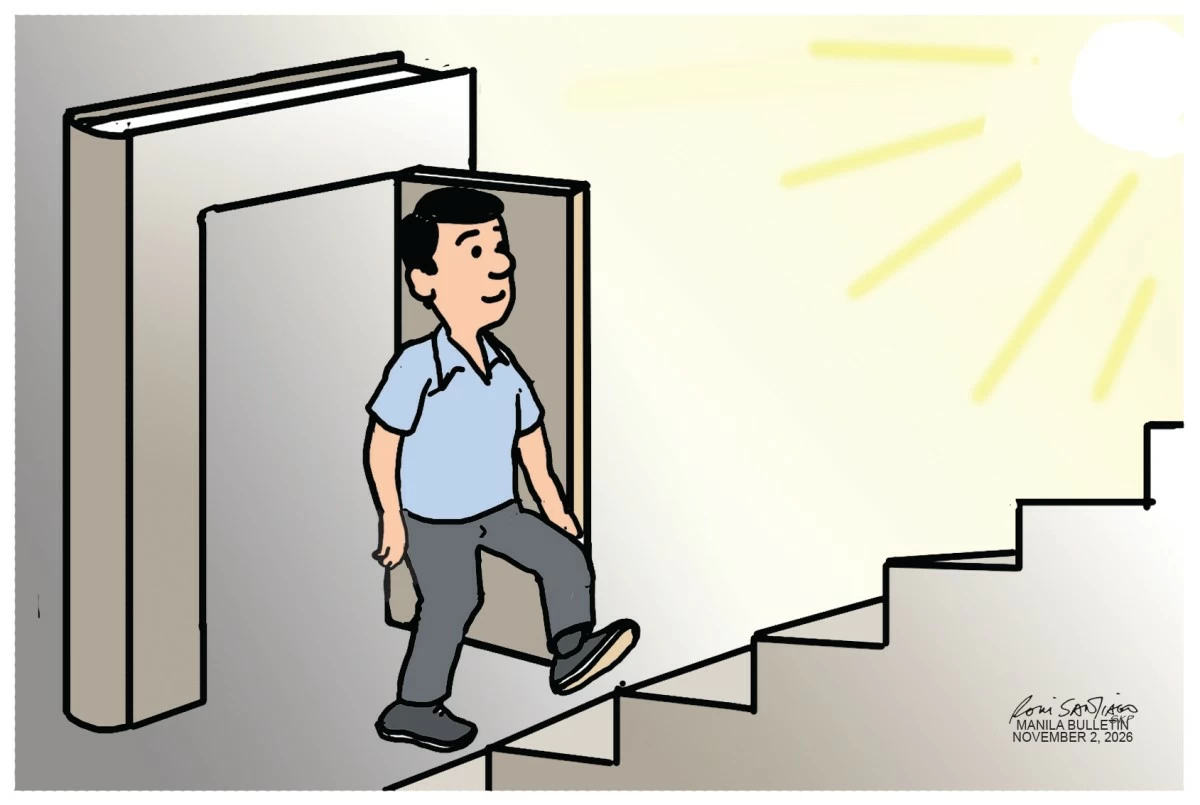
The promulgation of the Implementing Rules and Regulations (IRR) of Republic Act No. 12313, or the Lifelong Learning Development Framework Act, marks an important milestone in the country’s pursuit of inclusive human development. It gives operational direction to a vision that should have long been central to national policy. Education must not end when a person leaves the classroom. Learning must continue throughout life, wherever opportunities arise and whatever circumstances a person may face.

Signed into law on Oct. 23, 2025, RA 12313 institutionalizes lifelong learning as a framework for personal advancement, productive employment, social inclusion, and sustainable national development. It also broadens the mandate of the Philippine Qualifications Framework–National Coordinating Council (PQF-NCC), recognizing that developing human capabilities requires coordinated action beyond the traditional education system.

At the heart of this legislation are three fundamental guidelines that deserve particular attention.

First is equal opportunity.

Every citizen must be assured access to lifelong learning, regardless of age, economic circumstances, educational attainment, geographical location, gender, or social background. This is an affirmation that the opportunity to learn must not be the exclusive privilege of those who can afford university education or expensive training programs. Workers, farmers, fisherfolk, overseas Filipino workers, persons with disabilities, indigenous peoples, and disadvantaged communities must have meaningful access to learning opportunities. Education must become a democratizing force that levels the playing field rather than reinforces existing inequalities.

Second is voluntary participation.

Lifelong learning must be anchored on the willingness and readiness of individuals to acquire new knowledge and skills. Learning cannot be imposed as an obligation divorced from personal aspirations and circumstances. Rather, it should be encouraged through accessible programs, relevant curricula, career guidance, and opportunities for people to discover and develop their capabilities. This principle recognizes the learner as an active participant, not merely a passive recipient of instruction.

Third is freedom from political propaganda and personal prejudice.

Learning institutions and programs must remain independent of partisan manipulation and ideological impositions. Education should cultivate critical thinking, intellectual curiosity, respect for diversity, and the capacity to distinguish facts from falsehoods. It must empower citizens to make informed choices, not condition them to accept predetermined opinions. This safeguard is particularly important in an age when misinformation and disinformation can undermine both individual judgment and democratic institutions.

Why is this so vital to total human development?

Human development cannot be measured solely by years spent in school, academic credentials earned, or income received. It encompasses the development of knowledge, practical abilities, values, judgment, creativity, social responsibility, and the capacity to live meaningful and productive lives.

The world of work is changing rapidly. Artificial intelligence, digital technologies, automation, and new business models are transforming occupations and redefining the competencies required to remain employable. Skills acquired today may no longer be sufficient tomorrow. Lifelong learning enables individuals to adapt, reinvent themselves, and participate meaningfully in an evolving economy.

RA 12313 provides mechanisms to make this aspiration achievable. These include recognizing competencies acquired outside formal schooling, expanding technical-vocational education, promoting micro-credentials, and implementing the Philippine Credit Transfer System. Skills learned through workplace experience, community training, and other non-formal settings can gain recognition and potentially count toward further educational qualifications.

For Juan de la Cruz, this could be transformative. A displaced factory worker may acquire new digital skills and qualify for another occupation. A farmer may learn modern agricultural practices and improve productivity. A young mother who interrupted her schooling may resume her education through alternative learning pathways. A small entrepreneur may gain business management and financial literacy skills to expand a livelihood.

The ultimate test of this reform is how many Filipinos gain access to meaningful learning, acquire useful competencies, secure decent employment, and improve their lives. Let us make lifelong learning not simply a government program, but a national culture and a shared commitment to making life better for every Filipino.

*****
Credit belongs to: www.mb.com.ph

Check Also

Are we still a country worth staying for?

First things first: there is absolutely nothing wrong with aspiring to work abroad. Filipinos should …