 Atin Ito | Ontario’s First Filipino Community Newspaper – Trusted News and Stories for the Filipino-Canadian Community Atin Ito is Ontario’s first Filipino community newspaper, delivering trusted news, stories, and updates for Filipino-Canadians. Stay connected with your community.

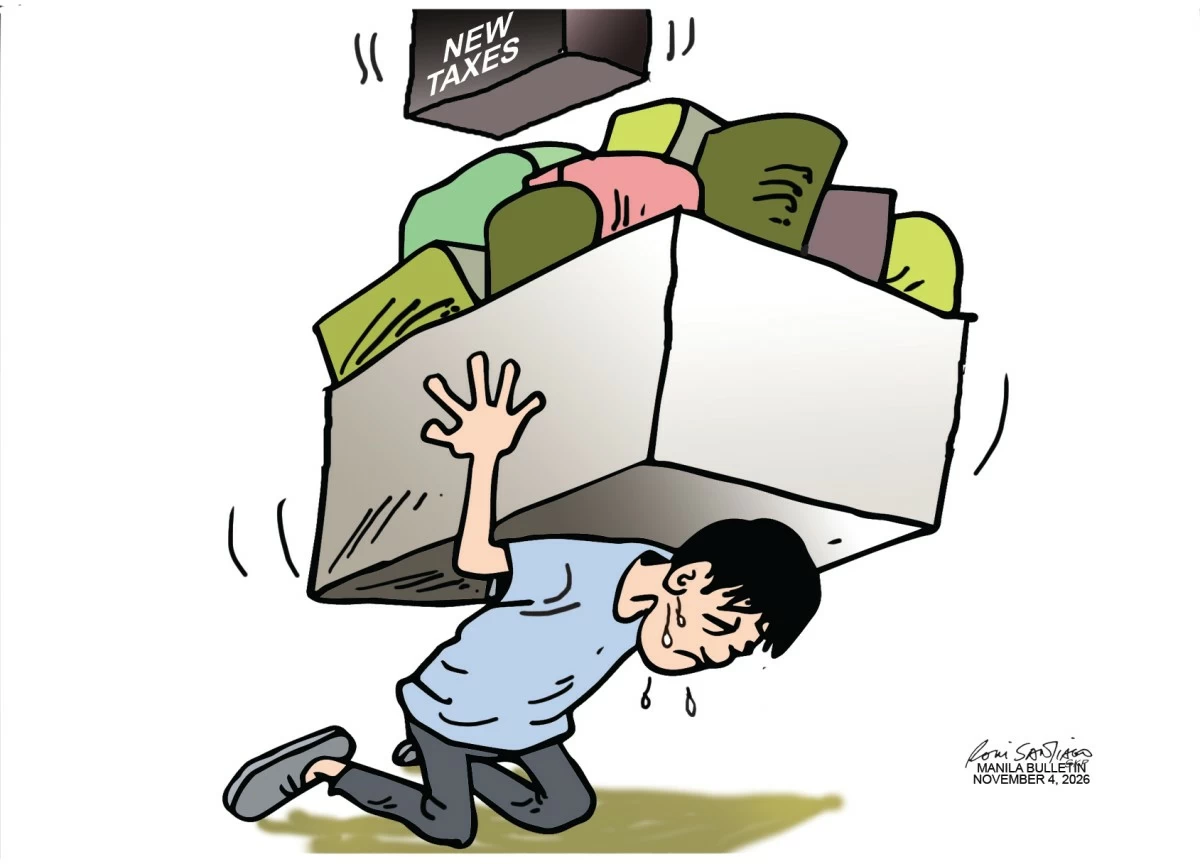 The government’s pursuit of additional revenues is a crucial test for the country. Will plugging tax leakages strengthen the Philippine economy, or will ordinary Filipinos once again shoulder the cost of fiscal consolidation?
The Department of Finance (DOF) is currently examining the removal of the ₱10,000 de minimis import threshold and an additional tax on online gambling. While both proposals promise potential revenue gains, their consequences deserve scrutiny beyond the government’s collection targets.
There is merit in addressing this imbalance. Requiring imported goods to bear appropriate taxes could level the competitive playing field, encourage consumers to consider locally manufactured alternatives, protect domestic enterprises, and potentially support jobs. Additional collections could also finance infrastructure, education, healthcare, and other public services.
Moreover, taxing inexpensive imports will not automatically revive local manufacturing. Domestic producers must also address production costs, infrastructure constraints, productivity, and competitiveness. Without stronger local industries and efficient customs administration, consumers could simply pay more without receiving better alternatives.
Such revenue could finance public hospitals, addiction-treatment programs, education, and social protection. A higher tax could also discourage excessive gambling if operators pass some of the additional cost to players. However, this outcome is not guaranteed. Excessive taxation could push some bettors toward illegal platforms, undermining regulation and collections. Effective enforcement, responsible-gambling safeguards, and monitoring must accompany any new levy.
The comparison with tobacco and alcohol taxation is instructive, but not exact. Philippine sin-tax laws demonstrate how excise collections can support public health financing. Republic Act 11346 and related legislation allocate portions of tobacco and alcohol tax revenues to PhilHealth and health programs. An online gambling levy could adopt a similar earmarking mechanism, directing a defined share toward addiction prevention, mental-health services, and treatment.
The government’s simultaneous consideration of travel-tax abolition and general tax amnesty further complicates the revenue equation. Removing the travel tax could ease expenses for departing Filipinos, while a carefully designed amnesty might encourage tax compliance. Yet foregone collections must be matched by credible alternative revenues.
Before imposing new taxes, policymakers must establish who pays, who benefits, how much is collected, and whether the promised economic gains outweigh the added burdens. Transparency, impact assessments, and measurable public benefits should be non-negotiable.
Credit belongs to: www.mb.com.ph


